
Why Setup Matters More Than Price: Unlock Your Sound
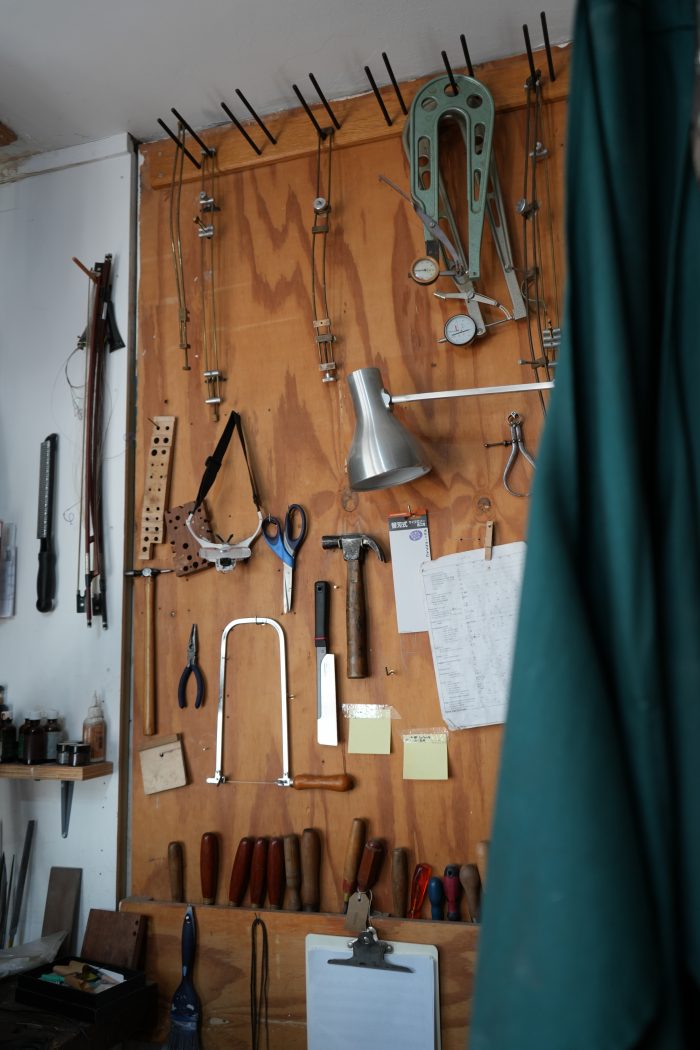
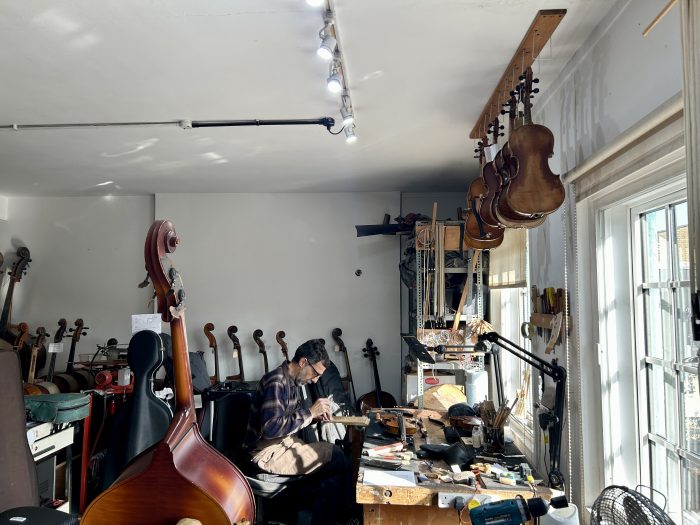
When choosing a violin, viola, or cello, it’s natural to focus on price. The assumption is simple: the more you invest, the better the instrument will be.But in practice, understanding why setup matters changes everything, and it isn’t always what musicians experience.
At Bridgewood & Neitzert, one of the most common conversations we have with players – beginners, advancing students, and professionals alike – begins with the same quiet uncertainty:
“My instrument doesn’t feel quite right, but I’m not sure why.”
More often than not, the issue isn’t the instrument itself.
It’s the setup.
And understanding this can completely change how you approach your sound, your playing, and even your next purchase.
What Is Instrument Setup?
“Setup” refers to the precise adjustment of the components that determine how your instrument plays and sounds. These details may seem subtle, but they are absolutely fundamental.
A professional setup considers the shaping and positioning of the bridge, the placement of the soundpost, the choice of strings, the refinement of the nut and fingerboard, and the optimisation of the tailpiece and afterlength. Each element influences the next. When they work in harmony, the instrument becomes more responsive, more comfortable, and more capable of expressing your musical intentions.
Even a small imbalance can affect the entire playing experience.
The Hidden Power of Small Adjustments
String instruments are incredibly sensitive. They respond to the smallest changes – sometimes changes measured in fractions of a millimetre.
A slight shift in the soundpost can brighten or darken the tone, improve projection, or make the instrument feel more alive under the bow. A refined bridge or adjusted string height can ease left‑hand tension, improve intonation, and make fast passages feel more controlled and confident.
These aren’t marginal improvements.
For many players, they are transformative.
Why Expensive Doesn’t Always Mean Better
It’s a common misconception that upgrading to a more expensive instrument will automatically solve tonal or technical frustrations. But without proper setup, even a fine instrument can feel tight, resistant, or difficult to control. Tone may seem muted or uneven, and the instrument may not respond to the player’s full ability.
Conversely, a more modest instrument – carefully adjusted by an experienced luthier – can feel balanced, responsive, and deeply rewarding to play.
Setup is often the difference between an instrument that feels limiting and one that feels inspiring.
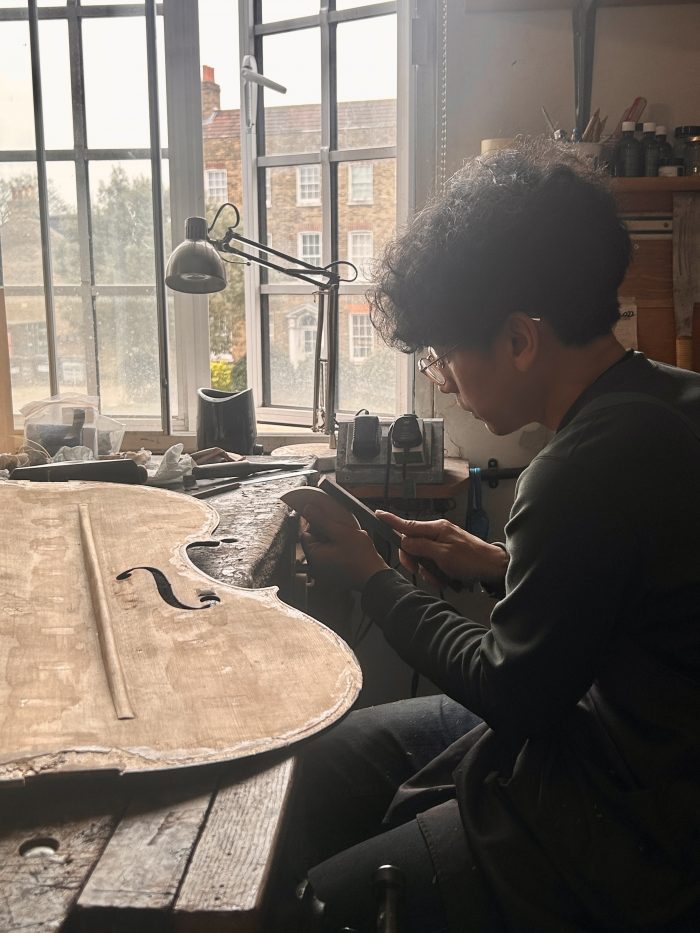
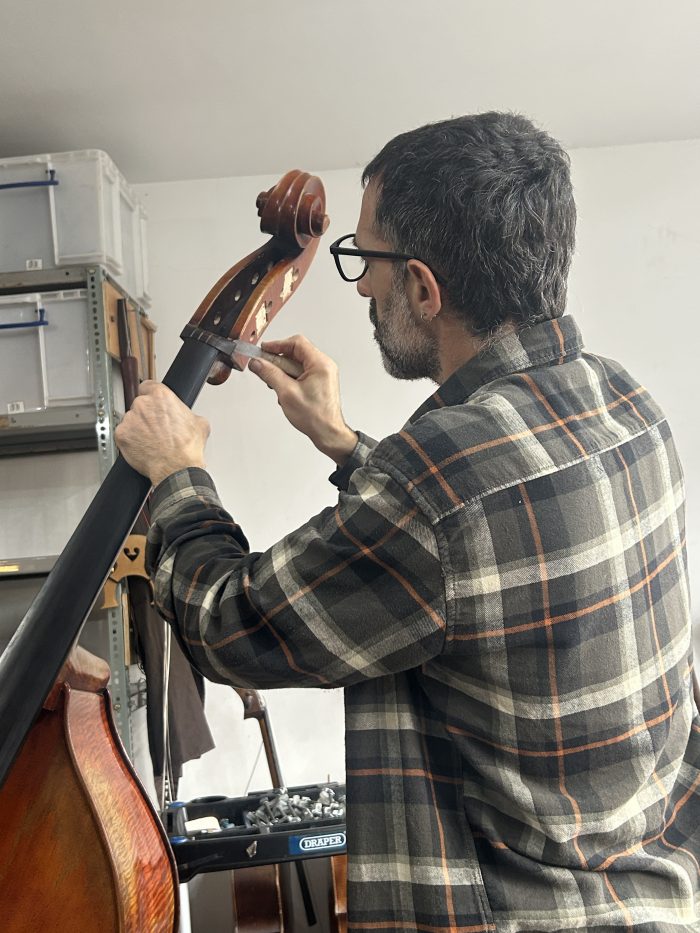
Setup Is Personal
There is no universal “ideal” setup. What works beautifully for one musician may feel completely wrong for another.
A professional orchestral player may prefer a little more resistance for control at volume, while an advancing student might benefit from lower string height and a faster response. A chamber musician or soloist may prioritise tonal flexibility and a wide dynamic range.
The same instrument can be adjusted in different ways to suit each of these players.
This is why setup is not just technical, it’s personal.
The Impact of the Environment
In the UK, seasonal and environmental changes play a significant role in how instruments behave. Humidity, temperature, and atmospheric pressure can subtly shift the wood, alter string tension, and influence the position of the soundpost. Even a well‑set‑up instrument may need periodic adjustments throughout the year.
If your instrument suddenly feels less responsive, harder to play, or tonally inconsistent, seasonal change is often the reason.
Signs Your Instrument May Need a Setup Adjustment
Setup isn’t only about repair – it’s about optimisation. Your playing has progressed and the instrument isn’t keeping up
It may be time for an adjustment if the instrument feels harder to play than it used to, if the tone lacks clarity or warmth, if certain strings respond unevenly, or if your playing has progressed and the instrument no longer feels like it’s keeping up.
Even small refinements can unlock noticeable improvements.
Why Expert Craftsmanship Matters
Setup is not a checklist – it’s a craft. It requires precision, experience, and a deep understanding of how musicians play and how instruments behave.
A skilled luthier listens to your playing, asks about your goals, and makes subtle, reversible adjustments. The process is collaborative and evolves over time. This relationship between player and workshop is essential, allowing your instrument to grow with you.
Before You Upgrade, Consider This
If you’re thinking about investing in a new instrument, it’s worth asking:
“Am I hearing everything my current instrument is capable of?”
In many cases, the answer is no – not because the instrument lacks quality, but because it hasn’t been fully optimised. A thoughtful setup can reveal depth, colour, and ease that may not have been accessible before.
Testimonials
“The last time I went to Bridgewood & Neitzert, it was to get a full service for my cello. When it came back from Gary’s workshop after three weeks’ TLC, I was bowled over by the difference. Not only is the action easier and the tone cleaner, the whole instrument seems far more responsive — I just need to tickle it with the bow and this lovely sound grows out from it. I’m quite overcome by the difference. I live on the other side of London, but I won’t take my cello to anyone else because I know with Gary I’ll get impeccable service.”
— Tim Bowen
“Gary and his team at Bridgewood & Neitzert have been looking after my basses for decades. At the moment he’s sorting out my CITES issues for travelling with valuable instruments, including updating valuations. I have always trusted their expertise and workmanship and have never been disappointed. Gary gives me honest advice on my sometimes eccentric ideas about playability, sound, and maintenance — with realistic estimates that never cut corners. The work takes time, but it’s always worth the wait.”
— Enno Senft

Comments are closed here.