
Trends in Baroque Violin Restoration
- Introuction
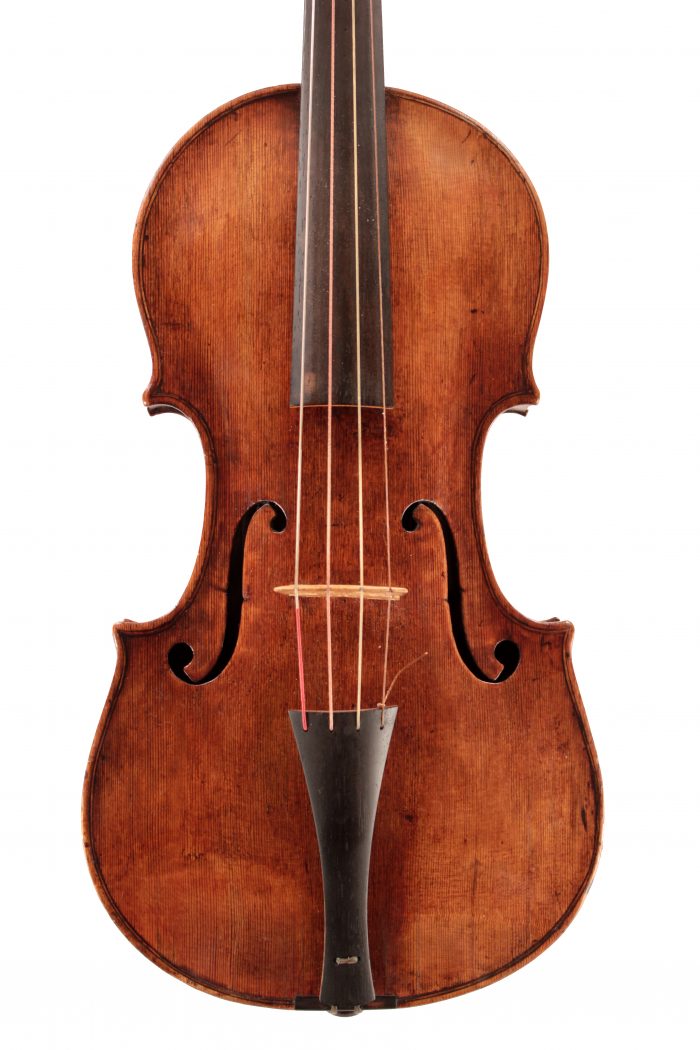
Baroque instruments have a way of reminding us where the violin family evolved so distinctly. Before the modern setup became standard, these earlier instruments shaped the sound world of the late 17th and early 18th centuries, the music of Bach, Corelli, Vivaldi, and the first orchestras (c. 1600–1750). That history is part of why Baroque and Baroque violin restoration continue to matter today. It allows musicians to reconnect with the instrument as it originally functioned, using straighter bows alongside the colours and phrasing that come naturally to a lower-tension, gut-strung setup. What sets Baroque instruments apart is often quite simple: a lighter build, a shorter fingerboard, a different bridge shape, and strings that respond with a softer, more flexible tone. These details may seem small, but they change the way the instrument speaks and how a player interacts with it. Restoring and maintaining these instruments keeps that connection alive—not as a museum exercise, but as a living part of modern musical life.
- A Shift in the Musical World
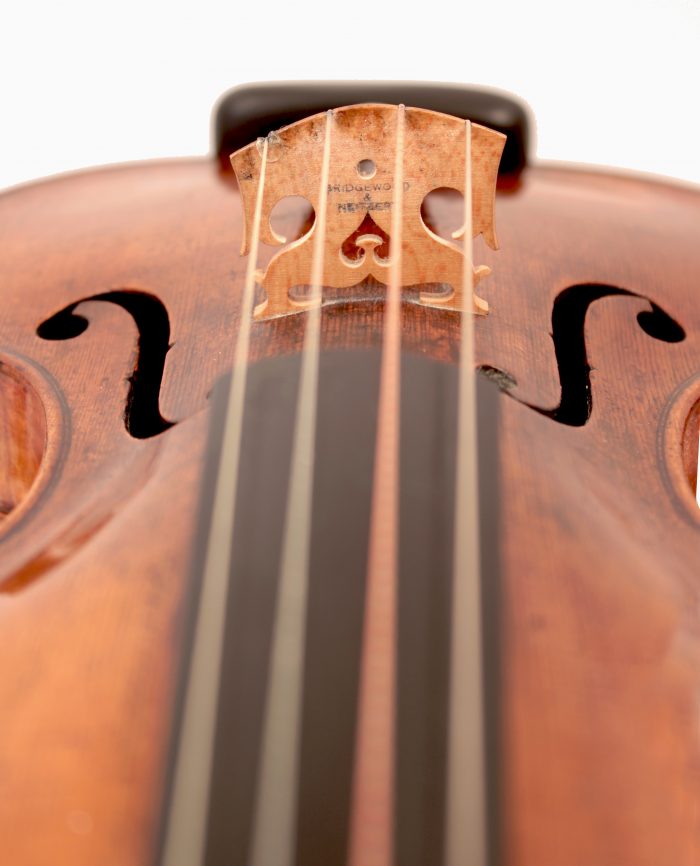
Over the last five years, we’ve noticed a gentle but definite shift in what musicians are looking for. More players, from orchestral musicians and chamber players to curious students, are experimenting with period sounds to uncover the roots of the repertoire they love. Conservatoires across the UK now offer more historically informed performance modules than ever, and many young violinists tell us they first encountered gut strings in a workshop or masterclass, surprised by how immediate and expressive the response felt. There’s a renewed appetite for authenticity, not rigid purism, but exploring colour, intimacy, and phrasing natural to a lower-tension setup. Gut strings, lighter bridges, and convex Baroque bows open a
refreshingly honest conversation between player and instrument. At Bridgewood & Neitzert,
we’re proud to support this small but meaningful movement with our restorations and sales. It’s
shaped by curiosity and a desire to reconnect.
- Restoration & Conversions
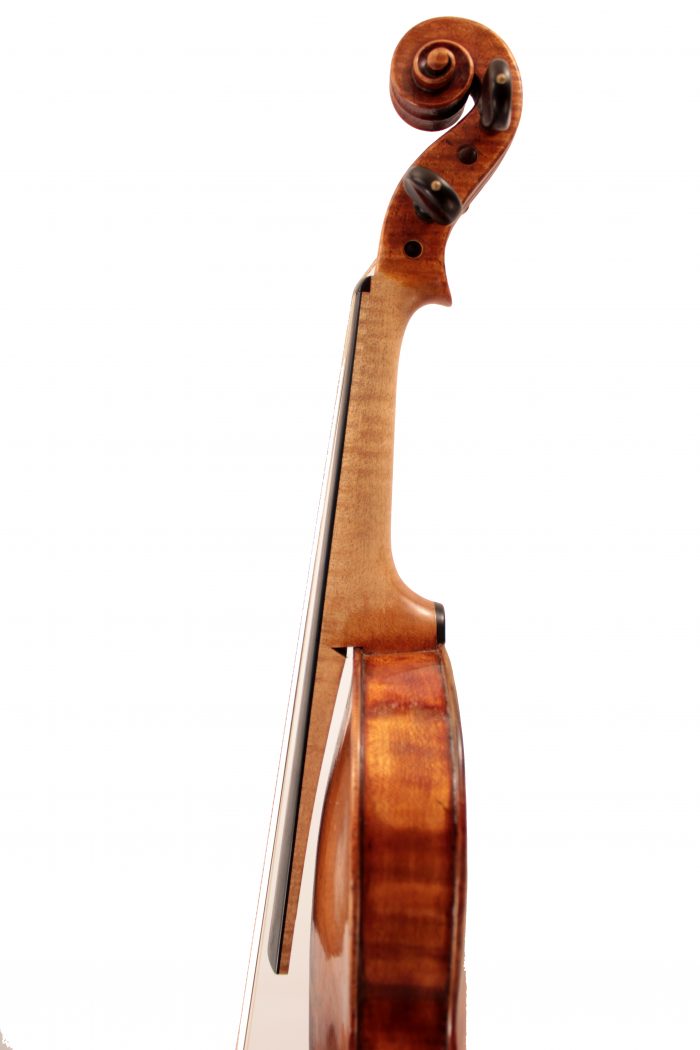
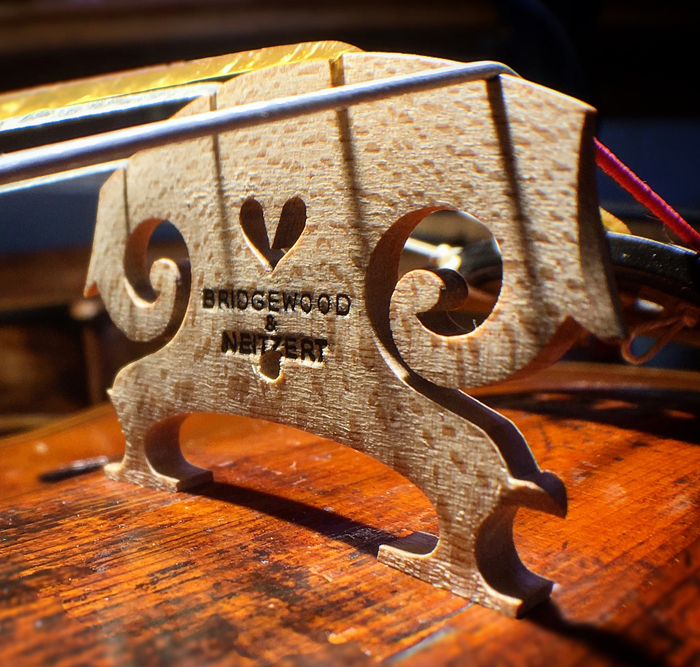
At Bridgewood & Neitzert, we have long been recognised for our work with Baroque and early Classical (c. 1600–1800) period instruments, and for the sensitive way we approach repairs and conversions. Many musicians come to us when considering a shift into period performance, whether a light Baroque setup or a full historical transformation. Sometimes a conversion is as simple as changing the bridge, tailpiece, and gut strings; at other times, a more complete approach, a new neck, shorter fingerboard, ebony pegs, or occasionally a lighter bass bar—allows the instrument to speak with its full era-specific character. We guide each player through these choices, via detailed consultations, always working sympathetically with the instrument and your musical aims in mind. Our goal is to preserve the qualities you already love
while enhancing the instrument’s natural voice for historically informed performance. Over the
years, we’ve converted many fine violins, including examples by Grancino, Urquhart, and Amati,
each a reminder of how beautifully these older instruments adapt and flourish. For those
seeking a period instrument from the outset, we also keep a curated selection of Baroque and
Classical violins, violas, cellos, and bows available for sale in the shop.
- Concerts & Collaborations
Supporting live music has always felt like a natural extension of our work. As the main sponsor of the Stoke Newington Early Music Series, we’re proud to help bring period performance into the heart of our community, where Baroque violins, cellos, and bows can be heard as they were meant to be, up close, alive, and shared. We’ve also recently agreed to support the Hackney Singers’ performance of Bach’s St John Passion on Saturday 28 March 2026, a timeless Baroque work of faith and humanity, performed in the stunning Hackney Church. While we champion period repertoire, we also support local musicians and happenings that bring people together through music. These collaborations remind us that instruments find their fullest purpose not on the bench, but in the hands of players and audiences who keep their stories
moving forward.
- Closing Reflection
There is something quietly moving about watching Baroque instruments continue their lives in
the hands of today’s musicians. Each restoration, each conversion, is a way of helping an old
voice find its place in a new moment, not preserved behind glass, but alive on stage, in
rehearsal rooms, and in the everyday intimacy of practice. As these instruments continue to
sing, they remind us that the past is not fixed; it grows, adapts, and resonates through every
player who chooses to explore it. And as interest in historical sound deepens, we look forward
to the future with the same care and curiosity that guide our work at the bench, at Bridgewood &
Neitzert, knowing there are still many stories left for these violins, cellos, and bows to tell with
you.
And for those who feel drawn to explore Baroque sound more closely, we’ve gathered a small selection of period instruments in the shop — each with its own voice, history, and quiet sense of possibility.
- Baroque violin by Edward Pamphilon, c.1670
A beautifully characterful example of early English making. - Baroque cello by Charles & Samuel Thompson, London c.1775 (probably George Barton)
An instrument with depth, warmth, and a remarkable sense of presence. - Old English viola, c.1730–40, attributed to Henry Jay II
A rare and expressive viola with a rich, early English voice.
These instruments sit at the heart of the world this blog explores — not museum pieces, but living companions for musicians who want to step into the colours and intimacy of Baroque playing.
Summary
Article Name
Trends in Baroque Violin Restoration
DescriptionA reflection on the renewed interest in Baroque sound, the craft of restoration and conversion, and the collaborations that keep these instruments alive in today’s musical world.
Author
Tijen Cavit
Publisher Name
Bridgewood and Neitzert

Comments are closed here.