
A Practical Guide to Buying a Cello
A practical guide to buying a cello, from size and setup to tone, bows and budget – expert advice for students, parents and serious players.
A cello rarely reveals itself in the first thirty seconds. One may sound impressive under the ear yet disappear in a hall. Another may seem restrained at first, then prove beautifully responsive once the player settles into it. Any worthwhile guide to buying a cello should begin there: not with price alone, nor with appearance, but with the relationship between player, instrument and setup.
For some buyers, this is a first serious step up from a student rental. For others, it is a professional search shaped by repertoire, projection and nuance of colour. In both cases, the same principle applies. A cello is not simply bought – it is selected, adjusted and tested properly.
What matters most when buying a cello
The best cello for one musician can be entirely wrong for another. Height, arm length, strength of bow arm, left-hand shape and musical priorities all affect what will feel and sound right. A younger advancing player may need clarity, ease of response and a forgiving upper register. A conservatoire student may want greater dynamic range and a broader palette. A professional orchestral player may prioritise depth, projection and stability across long working days.
This is why labels and country of origin, while relevant, should never be the whole story. An English, French, German or Italian instrument may each offer excellent musical value, but condition, model, arching, materials, restoration history and present setup often matter just as much as nationality. A beautifully restored and expertly adjusted cello from a less fashionable school can outperform a more prestigious instrument that is poorly prepared.
A guide to buying a cello by stage, not just budget
Budget matters, but it should be understood in relation to playing level and musical aims. The most common mistake is to buy either too cheaply for the player’s needs or too ambitiously before the player has the technique to benefit from the instrument.
For advancing students, a good purchase should offer proper tonal feedback. That means clean articulation, a dependable response and enough complexity of sound to support developing technique. If the cello resists too much, the player can mistake the instrument’s limitations for their own. Parents often need reassurance here: a well-selected student or intermediate cello is not about prestige, but about giving the player a fair musical chance.
For serious students and emerging professionals, the instrument must begin to support a wider expressive range. The player will notice whether the A string speaks cleanly in higher positions, whether the C string retains focus, and whether the instrument can carry through chamber music and orchestral textures without forcing.
At professional level, the search becomes more individual. Some players seek brilliance and projection. Others want warmth, breadth and a certain elasticity under the bow. Here, workshop support becomes central, because subtle tonal adjustment can make a very good cello feel like the right one.
Size, comfort and physical fit
Most adult players use a full-size cello, but even within that category there can be meaningful variation. Rib depth, neck shape, stop length and overall body proportions affect comfort more than many buyers expect. Two full-size cellos may look broadly similar while feeling quite different in the hand and under the arm.
A smaller adult, a teenager moving up in size, or a player returning after injury may need to think carefully about physical ease. If a cello demands too much stretch in the lower positions or feels cumbersome when shifting, technique can tighten around the instrument. Comfort is not a secondary issue. It directly affects sound production.
Endpin position and chair height can help, but they cannot compensate for a fundamentally unsuitable instrument. A proper trial should include scales, slow bowing, shifting, string crossings and passages the player knows well enough to notice what the cello is helping or hindering.
Tone is only half the story
Many buyers focus first on tonal beauty, which is understandable. Yet response is often the more important measure. A cello with a noble, dark sound may still prove frustrating if it speaks slowly or unevenly. Conversely, an instrument with immediate response and strong core tone can often reveal more character over time.
Listen for clarity at the start of each note, especially on the lower strings. Pay attention to whether the instrument remains stable under different bow speeds and pressures. Test pianissimo as seriously as fortissimo. A cello that only responds when driven hard may become tiring to play and limiting in repertoire.
It is also wise to have someone else play the instrument while you listen at a distance. The sound under the ear is intimate and useful, but not always representative. Cellos can be deceptive in a small room. What feels brilliant close up can become thin further away, while an apparently modest instrument may bloom in the space.
Why setup can transform a cello
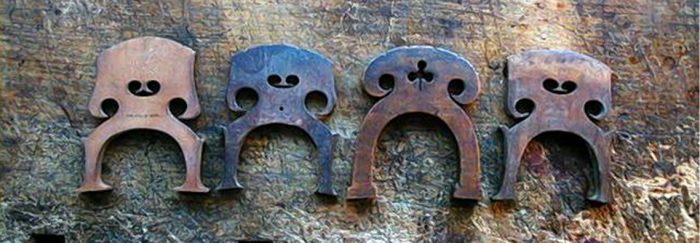
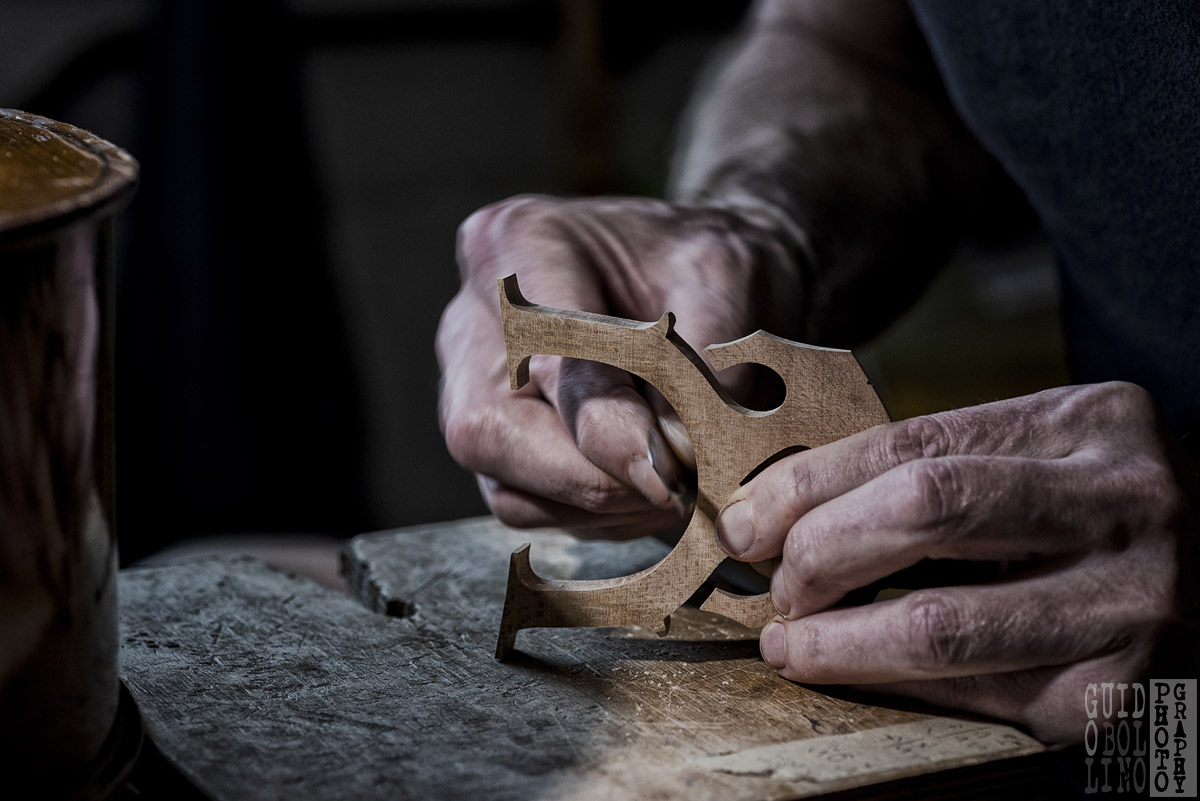
No guide to buying a cello is complete without discussing setup. Bridge cut, soundpost position, string choice, fingerboard dressing and tailpiece afterlength all influence response, balance and tonal character. These are not cosmetic details. They are central to how the instrument performs.
A well-made cello with an indifferent setup may feel stiff, nasal, uneven or muted. A well-prepared one will speak more freely and predictably. For that reason, buyers should look beyond the wood and ask how the instrument has been maintained and adjusted. Serious dealerships and ateliers do not merely sell cellos – they prepare them properly, and they can explain why an instrument is set up as it is.
This is particularly important for players comparing antique and contemporary instruments. Older instruments may carry restoration history that is perfectly appropriate and stable, but it should be understood clearly. Professional restoration can preserve both musical function and long-term value. Amateur intervention, by contrast, can create problems that are expensive and sometimes irreversible.
Do not treat the bow as an afterthought
A cello and bow work as a pair. An instrument that feels reluctant with one bow may come alive with another. Too many buyers commit most of their attention to the cello and leave the bow until the end, when in practice the bow may shape articulation, resistance and control just as much as the instrument itself.
A heavier bow is not automatically better for a cello, nor is a softer stick automatically more nuanced. It depends on the player’s technique and on the instrument’s natural resistance. The right match allows the string to engage cleanly without feeling either brittle or sluggish.
If budget requires a choice, it is usually wiser to leave enough room for a competent bow rather than spend every penny on the cello alone. A strong setup with a balanced bow serves the player better than an over-ambitious cello paired with something inadequate.
How to trial a cello properly
A serious trial should last longer than a single visit if possible. Initial impressions matter, but they are not always reliable. An instrument may flatter one passage and fail another. Equally, a cello with real depth can take a little time to understand.
Take familiar repertoire, not just pieces that show off the instrument. Include scales, doublestops, sustained bow strokes and passages in thumb position if relevant. If the player has a teacher, professor or trusted colleague, their opinion is valuable – but it should not override the player’s own physical and musical response.
Home trial services can be especially useful because they place the cello in the player’s real acoustic environment and routine. This often reveals more than a brief showroom session. Bridgewood & Neitzert, for example, has long recognised the value of allowing players to test instruments carefully rather than forcing quick decisions.
Antique or contemporary?
This is often framed too simply. Contemporary cellos can offer remarkable consistency, structural security and excellent value, particularly for players who want reliability and immediate performance. Antique instruments may offer maturity of sound, historical character and a different kind of tonal complexity, though not automatically.
The right answer depends on budget, aesthetic preference and practical needs. A freelance professional travelling constantly may value robustness and predictability. A collector or established artist may be drawn to the individuality and heritage of an older instrument. Neither choice is inherently superior. What matters is whether the cello does its musical work convincingly and whether its condition supports long-term confidence.
Buying with confidence
The most dependable purchase is one supported by expertise before and after the sale. That includes clear advice on condition, honest discussion of restoration, proper tonal adjustment, and sensible options if the player is still developing. Rental, hire-to-buy, part exchange and finance can all be entirely respectable routes when they are offered with integrity.
A cello should invite better playing, not merely signal a higher spend. If the instrument encourages the ear, steadies the hand and rewards careful work, it is doing what it should. Take your time, ask direct questions, and choose the cello that continues to make sense once the excitement of first impressions has passed.
The right instrument is rarely the loudest, oldest or most flattering in the room. It is the one that gives the player somewhere to grow.

Comments are closed here.