
How to Choose a Beginner Instrument in 2026
Helping young musicians begin with confidence, clarity, and a well‑made companion.
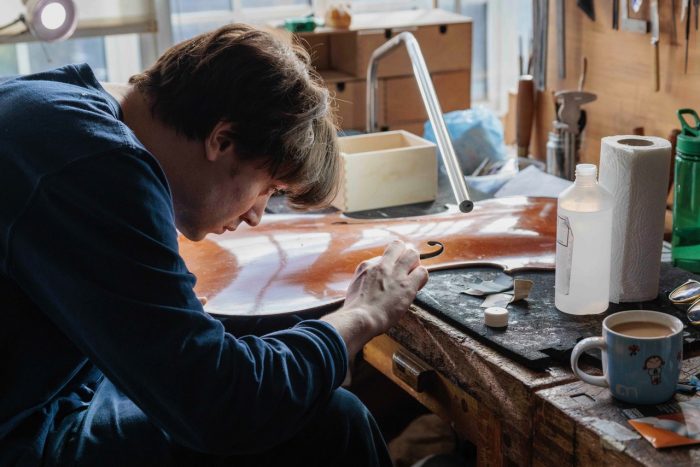
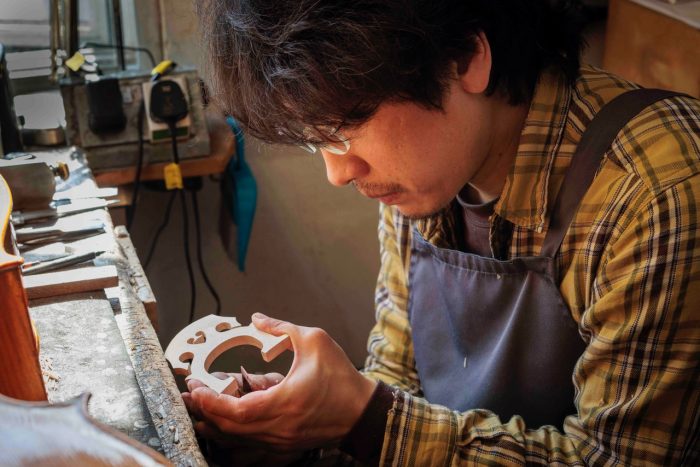
Choosing a beginner violin, viola, or cello in 2026 can feel overwhelming. The internet is full of starter bundles. Conflicting advice abounds. Instruments may look similar but behave very differently in a child’s hands. For parents, teachers, and young players, the first violin marks the start of a musical journey.
At Bridgewood & Neitzert, we see every day how the right beginner instrument can transform a child’s experience. This guide brings together our many years of shop workshop expertise to help you choose an instrument that supports learning, builds confidence, and feels like a true companion.
Why the Right Beginner Instrument Matters in 2026 :
A child’s first instrument shapes posture, sound, and the willingness to keep going when things feel new or challenging. A well‑set‑up beginner violin or cello doesn’t just sound better — it feels better. It responds gently, tunes more easily, and helps a young player hear progress from the very first lesson.
In contrast, many ultra‑cheap factory instruments create avoidable frustration. Slipping pegs, high bridges and top nut, buzzing seams, and stiff, harsh sounding strings can make even simple notes feel impossible to play. Children often assume they are the problem, when in reality the instrument is holding them back.
A good beginner instrument is not about price — it’s about playability, stability, and proper setup.
What to Look For When Choosing a Beginner first violin, Viola, or Cello
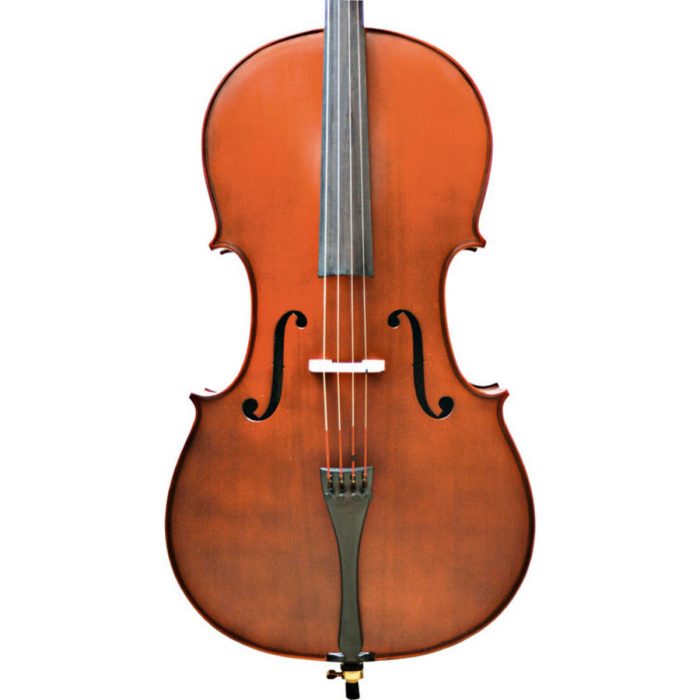
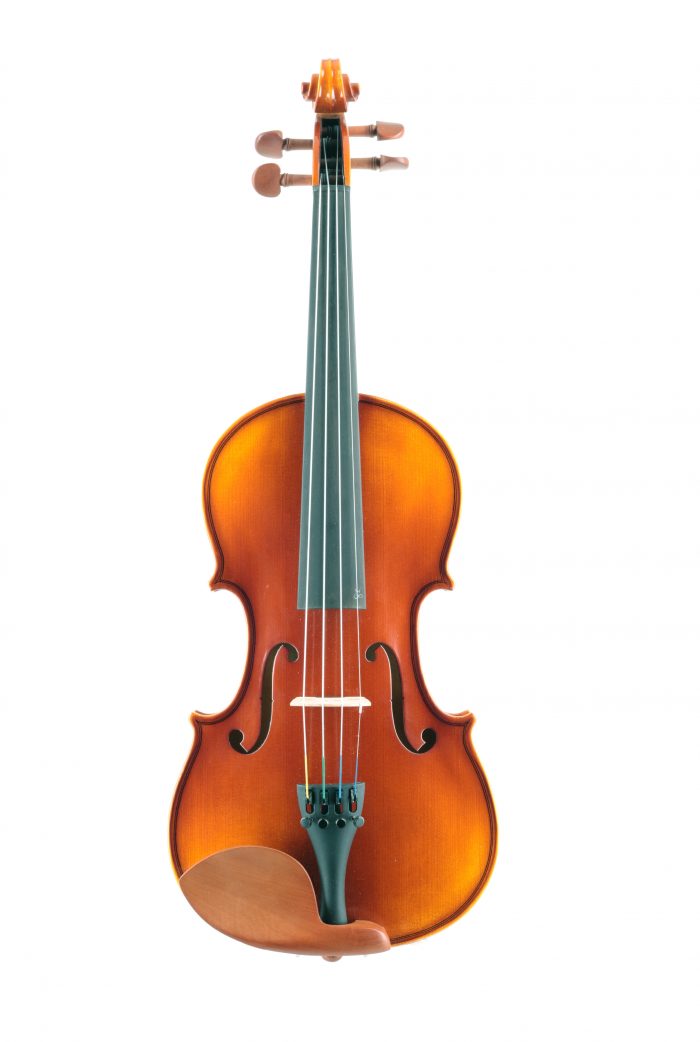
1. Proper Luthier Setup (The Most Important Factor)
In 2026, however, setup remains the single biggest difference between a playable beginner instrument and one that causes frustration. A proper setup includes:
- a correctly carved and positioned bridge
- a well‑fitted soundpost
- smoothly turning pegs
- comfortable string heights
- reliable strings good sounding strings
- a fingerboard shaped for clean intonation
This work must be done by a trained luthier — not a factory. It is the heart of playability.
2. Quality of Materials
Even beginner instruments benefit from:
- stable spruce and maple tonewoods
- ebony fingerboards and pegs
- well‑fitted nuts and saddles
Avoid instruments with painted fingerboards or plastic fittings — these are signs of very low‑quality manufacturing.
3. Reliable Strings
Factory strings are often stiff, unstable, and difficult to tune. They sound brittle and bright. A good beginner outfit should come with strings chosen by a workshop, not a factory.
4. Correct Sizing for Comfort and Posture
Children should be measured for the right size. A violin or cello that is too large can cause tension, poor posture, and discomfort. A well‑fitted instrument encourages natural playing habits.
5. Workshop Support and Aftercare
Beginner instruments, such as the first violin, need occasional adjustments as children grow and learn. Access to a workshop ensures the instrument stays comfortable, stable, and enjoyable to play.
🌿 Why Workshop‑Prepared Beginner Instruments Are Worth It
A beginner doesn’t need an expensive instrument — they need a trustworthy one.
Workshop‑prepared instruments offer:
- stability
- comfort
- clean intonation
- easy tuning
- responsive sound
- long‑term reliability
They help a child hear progress, feel in control, and enjoy the small victories that keep motivation alive.
At Bridgewood & Neitzert, every beginner instrument is individually set up by a trained luthier — the same hands that care for professional musicians’ instruments. This ensures that even the smallest violin or cello is prepared with patience, precision, and respect for the player who will hold it.
Final Thought
A child’s first instrument becomes part of their story.
Choosing one made with care — and supported by people who understand its voice — gives them the best possible beginning.
In 2026, with so many options available, the most reliable path is still the simplest:
choose an instrument prepared by a workshop that values craft, clarity, and the joy of learning.

Comments are closed here.